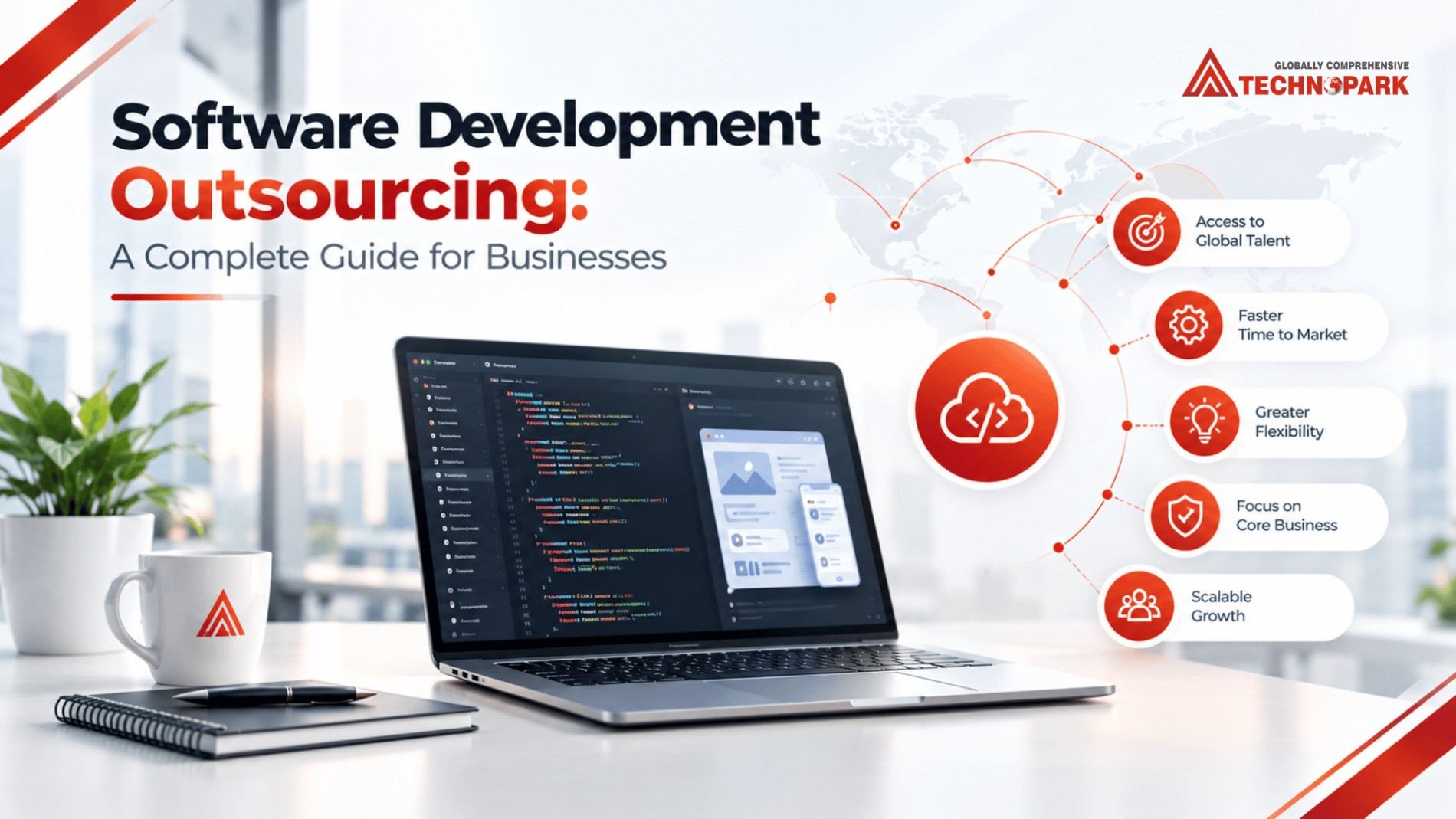
Software development outsourcing means you hire an outside software development company or team to design, build, test, deploy or maintain software.Companies can tap into specialized skills, increase their development capacity, speed up delivery and avoid the long-term costs of hiring for every role in-house.
It is contingent upon the scope of your project, technical requirements, budget, timeline, security requirements and how much control you want to have. You can outsource a defined project, add specialists to an existing team, build a dedicated development team, or hand ongoing software operations to a managed provider.
In short: Software development outsourcing gives you access to outside technical talent without having to build every role in-house.
What Is Software Development Outsourcing?
The division is a snap. The provider is responsible for the agreed work, e.g. development, testing or maintenance. You keep ownership of the product and decide where it goes.
That last part matters. Outsourcing isn’t handing over the steering wheel. In a well-run engagement, you set the goals and priorities, and your partner supplies the engineers and expertise to hit them.
What can be outsourced?
Software development outsourcing can cover a single technical function or an end-to-end product lifecycle. Common services:
- Requirements analysis and product discovery
- Custom Software & Enterprise Application Development
- Development of web applications
- iOS and Android Mobile Application Development
- Backend, API and third-party integrations
- UI/UX design & frontend development
- QA & Test Automation
- Cloud infrastructure, DevOps and deployment
- Technical Support and Application Maintenance
- Modernization of legacy apps
- Automation development, machine learning and AI
You don’t have to outsource everything.Many businesses keep product strategy, architecture decisions and customer knowledge in house and use an external team for development capacity or specialist skills.
Ideal for: Businesses that need specialized expertise, more development capacity, or flexible access to tech people.
When: You have the means to create and manage your own engineering staff and desire total control over all internal development efforts.
Advantages of Outsourcing Software Development
- Technical skills. Skills like AI, cloud architecture or healthcare integrations can be difficult to get locally.
- Faster team assembly. Recruiting and onboarding can take months. An established service will often have a team in place much sooner.
- Scalability. Your crew can expand or contract to fit project needs.
- Focus on your core business. Your internal people can spend their time on strategy and product direction.
- Cost flexibility. You can reduce recruitment, infrastructure and long-term payroll commitments. It isn’t automatically cheaper, though (more on that in the cost section).
- Global talent. Where you’re located no longer limits who can work on your product.
In short: Companies outsource for skills, speed, and flexibility. Savings are possible, but they depend on how you structure the engagement.
What Are the Types of Software Development Outsourcing by Location?
These types are defined by where your provider sits compared to you.
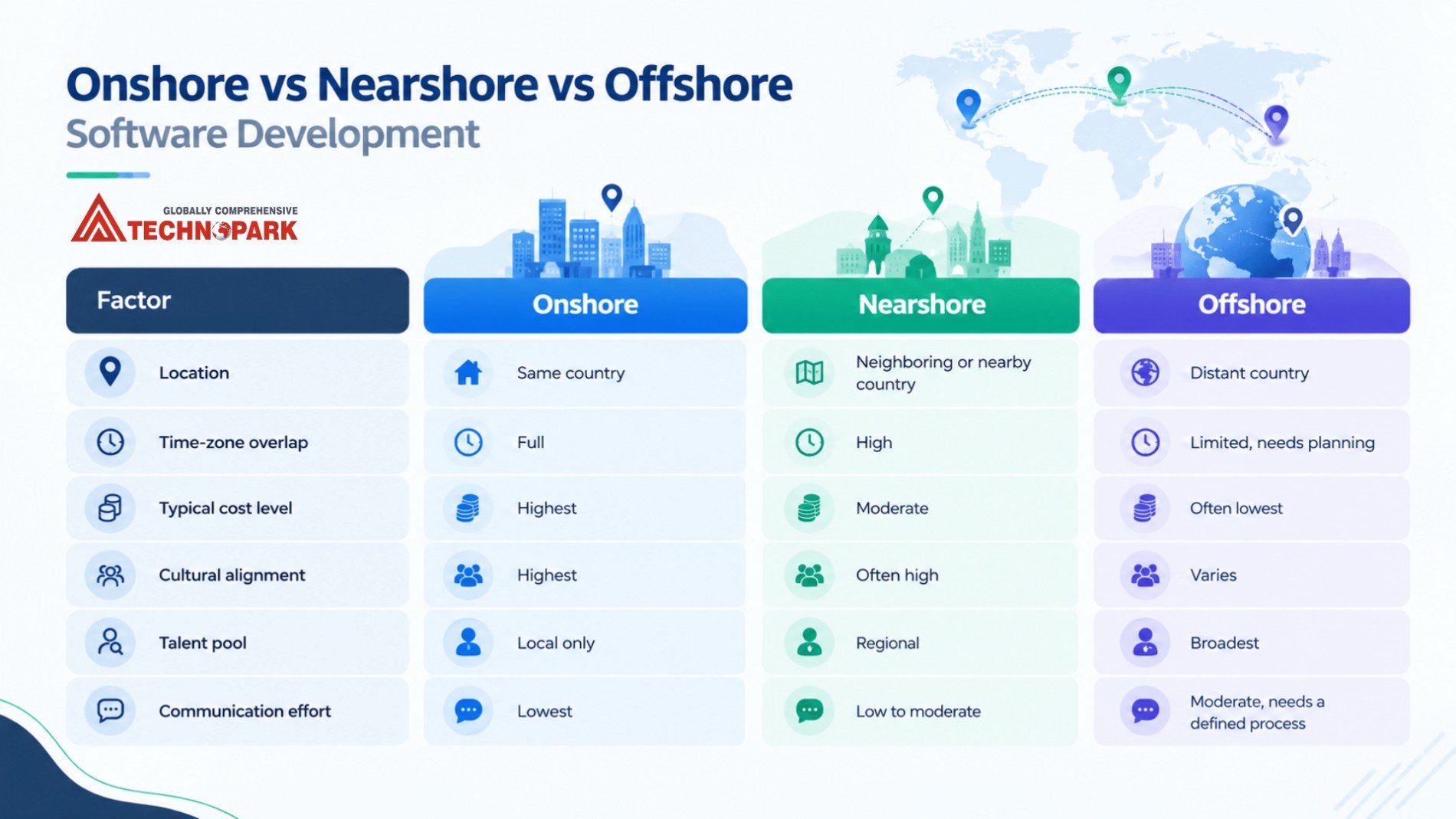
- Onshore: the provider is in your country.
- Nearshore: The supplier is located in a neighboring country, generally in the same time zone or with time overlap.
- Offshore: the provider is far away, often with a large time zone difference.
What’s the difference between offshore and nearshore?
Nearshore partners are close by and share most of your working hours. Offshore partners are farther away and often work on a very different schedule. That distance widens your talent pool and can lower rates, but you’ll need to plan your overlap hours on purpose.
Best for (offshore): Companies with well-defined needs, existing communication channels and access to a broad spectrum of skill at a competitive price point.
Not ideal when (offshore): you have to work in real time with people across all working hours, with no schedule flexibility.
Is India a good offshore option?
India is one of the more common offshore choices, mainly for its large software talent pool and flexible team structures. But location and hourly rates shouldn’t decide it. Check the provider’s technical depth, communication process, security controls, team stability, and ability to scale. If you’re weighing this route, our Offshore Development Center guide goes into more detail.
What Are the Main Software Development Outsourcing Models?
Location tells you where the team sits. The model tells you how you’ll actually work with them.
Model Scope Who manages the work Best for Project-based outsourcingDefined scope and outcomeProviderClear requirements, fixed deliverablesDedicated development team Long-term product workShared; client usually sets prioritiesEvolving products, ongoing roadmapsStaff augmentationIndividual specialists added to your teamClientFilling skill gaps in an existing teamManaged servicesOngoing responsibility for a function or systemProviderMaintenance, support, operations
Project-based outsourcing
You define the scope, the provider delivers it, and you agree on what “done” looks like. The provider owns delivery of that result. When requirements are consistent, such as a well-defined website, application, or integration, it performs well.
Dedicated development team
Your product is worked on for a lengthy stretch by a team of developers, QA engineers and others. Because the same people stay on it, they build up real product knowledge. It’s a good fit for products that keep evolving.
Staff augmentation
You directly oversee and add outside experts to your own team. This is good when you have the procedure and leadership but are lacking in expertise or hands.
Managed It Services
The provider assumes responsibility for things such as application support, monitoring or maintenance, typically under agreed service levels.
In short: Pick a model based on how clear your scope is, how long the work will run, and how much management you want to keep on your side.
Not sure which outsourcing model fits your project? Before choosing an engagement model, look at your requirements, team structure and goals.
Software Development Outsourcing Versus In-House Development
Speed to start : often faster as the provider already has staff . Recruiting and training takes a while.
Costs : Variable depending on the model and governance.
Control: Shared, depends on model and governance.
Wide. Project specific. Highest Expertise access. Limited who you can hire and keep.
Scalability: Easier to scale up or down. Changes = hire/fire personnel.
Product knowledge: needs detailed documentation and continuity.Remains with the company.
Management effort: Find, manage and retain people.
Does hiring cost less than working in-house? Not all the time. It can help you save money on hiring, building, and long-term salary. But bad planning, extra work, and bad management can quickly wipe out those saves. Compare more than just the hourly rates; look at how much the whole project will cost.
Best for (in-house): For these kinds of products, software is your main competitive edge, and the company needs to keep the knowledge.
Best for (outsourcing): Projects with specific skills, fast growth or short term capability.
How Much Does Software Development Outsourcing Cost?
How much? The short answer: a lot. Cost depends on project complexity, team size, developer expertise, location, technology & engagement model. An industry average is not a very good estimate. Your own requirements are a better estimate.
What sets the price
- Team composition: mix of devs, QA, designers and project managers.
- Number of developers: more developers will increase the cost, but decrease the timeline.
- Seniority : Senior developers cost more per hour but frequently deliver faster with fewer bugs.
- Technology: specialized/new stacks are usually more expensive.
- Duration: Longer engagements may provide a more stable team price, whereas short engagements may have setup overhead.
- Location: Regional and provider market charges vary.
- Scope clarity: vague requirements tend to bring change requests, and change requests bring cost.
Pricing models
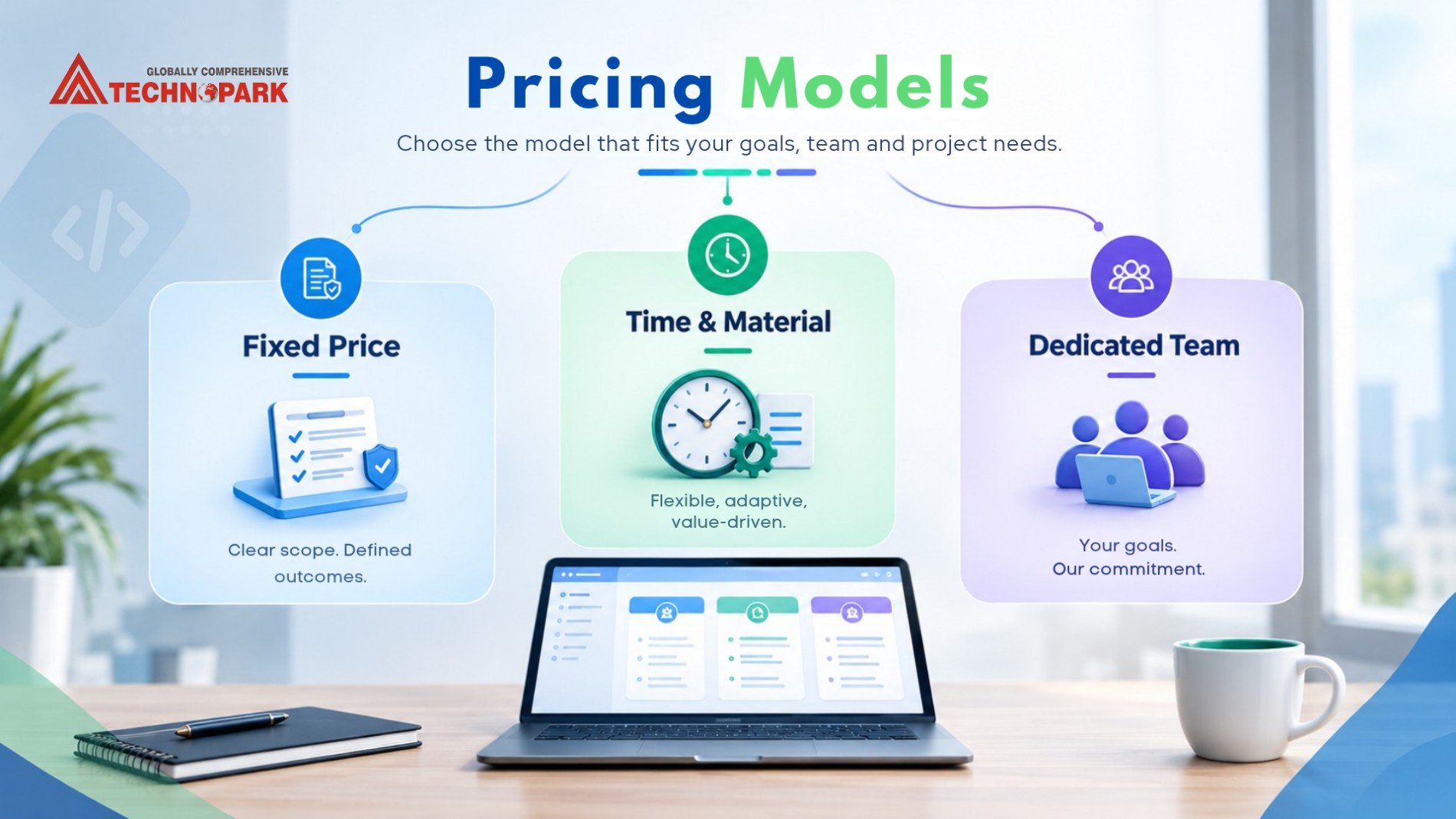
How does it work? Suits Fixed price Agreed price for a defined scope Stable, well-documented requirements Time and materials You pay for the time and resources actually used Evolving requirements Dedicated team (monthly) Recurring fee for a reserved team Long-term product development Retainer / managed service Recurring fee for ongoing support Maintenance and operations
Whichever model you go with, ask providers what’s included, how changes are priced, and what might show up later, such as infrastructure, third-party licenses, or post-launch support.
How to Choose a Software Development Outsourcing Company
Picking the provider is often the single most important decision in the whole engagement. Judge on evidence, not on the sales deck.
Check technical expertise
Look for proven experience with your technology, architecture, industry, and development methodology.
Read the case studies properly
Don’t stop at the logos. Look for projects of similar complexity, real technical outcomes, business results, and clients who’ve stayed for the long haul.
Look at how they communicate
Think about time-zone overlap, channels, meeting frequency, reporting, and how they manage projects day to day.
Ask about development and QA
How is code reviewed? is testing done and automated? bugs tracked and resolved?
Review of security processes
Learn what they know about access control, secure coding standards, compliance, and data processing.
Check out the makeup of the team.
Who’s going to work on your project, what their jobs are, how senior are they and what happens if someone needs to be replaced.
Recognize contracts and prices
Examine the pricing transparency, handling of modifications, terms of payment, and potential departure routes for both parties.
Request assistance post-launch
Examine response times, service options, warranty periods and knowledge transfer.
Questions to Ask Before Hiring a Software Development Outsourcing Company
Use these 15 questions as your vendor evaluation checklist.
- What technologies do you specialize in?
- Have you done similar kinds of projects?
- Who will be assigned to my project?
- What is the development team structure?
- Who manages the project?
- How do you manage communication?
- How do you handle changing requirements?
- What is your development methodology?
- How do you test software quality?
- How do you protect client data?
- Who owns the source code?
- How do you treat intellectual property?
- What happens if a developer leaves?
- Do you provide help at launch?
- How do you handle changes to project scope?
Software Development Outsourcing Security and Data Protection
No provider is secure by default, so don’t assume it. Verify it. Here’s what to check.
Data security
Ask how data is encrypted in transit and at rest, where it’s stored, and who can get to it.
Access control
Look for role-based access, least-privilege rules, regular access reviews and fast removal of access when people leave the team.
Safe development practices.
Ask what they do for code reviews, dependency and vulnerability scans, testing for common security flaws, and secure deployment.
Intellectual property protection
Make sure the contract and day-to-day working practices both protect your designs, code, and proprietary processes.
Non-disclosure agreements
NDAs required for providers and, where appropriate, individual team members.
Code ownership
Get it in writing that you own the source code and deliverables, and that you have access to repositories and environments.
Cloud and Infrastructure Security
Ask about segregation, security and monitoring of development, testing and production environments.
Regulatory requirements
Make sure the supplier is aware of the applicable requirements and will record who does what in regulated businesses like healthcare or banking.
Briefly: Ask for documented security procedures, applicable certifications, and contractual commitments. General assurances aren’t enough.
Common Risks of Software Development Outsourcing
There are serious drawbacks to outsourcing. Knowing them is the first step toward managing them.
- Communication gaps: Sharing background information informally or inconsistently leads to more confusion.
- Time zones: can separate the timing of feedback from the timing of the decision-making process.
- Unclear specifications Uncertainty leads to Conflict and Corrections.
- Quality issues: There are no quality metrics defined for sprints.
- Hidden costs Change requests, more tools, management time and support fees can all add up.
- Vendor lock-in: If not documented, there’s the risk of being locked into one provider.
- Security risks: If the access is poorly monitored or the information is erroneously processed, critical information could leak.
- product expertise: The provider is an expert in the technology and domain you need, not your organization.
- Team Turnover: Continuity headaches are caused by fast changing code and it stifles growth.
How to Reduce Software Development Outsourcing Risks
There is a workable solution for every risk.
Risk Prevention Communication gaps Communication process defined Scope creep Clear requirements and change process QA standards and testingQuality concerns Controls of access and security policies Security concerns Documentation of knowledge Team Turnover Clear ownership and documentation Vendor lock-in Hidden costs Transparent pricing structure Time-zone problems Overlap hours defined
The pattern is simple: identify the risk, put a control in place, and embed it into your process so it doesn’t rely on anyone remembering.
What Should Be Included in a Software Development Outsourcing Contract?
Simply put, a good contract will cover: scope, deliverables, timeline, pricing, ownership of IP, confidentiality, data security, change management, acceptance criteria, support terms and termination terms for both parties.
A contract generally provides:
- Project scope
- Output
- Time line
- Pricing
- Terms of payment
- Duties and responsibilities
- Expectations of communication
- Intellectual Properties
- Confidentiality
- Data security.
- Change management.
- Definition of Done
- Warranty & Support
- Conditions of termination
- Source Code Ownership
Note: Contract terms differ by jurisdiction and project. Have a lawyer review any agreement before you sign.
Agile vs. Fixed-Process Outsourcing
Outsourcing Agile software development
Best for:
- Requirements will evolve as you learn
- You are incrementally developing the product
- You want to get feedback often
Work comes in short cycles, and priorities shift as you learn more.
Fixed scope development
Best for:
- The requirements have stabilized.
- Clear definition of deliverables
- You can capture the scope up front
Work follows a set plan with agreed deliverables and costs.
Your methodology should match how uncertain the project is. The more you expect requirements to move, the more flexibility you need in both your process and your contract.
How to Manage an Outsourced Software Development Team
Hiring a partner doesn’t mean you stop managing. It just changes what you manage.
Establish clear ownership
Name one product owner on your side who makes decisions and sets priorities.
Develop communication protocols.
Select the channels, the frequency of meetings, the response time, and the person to call in case of an issue.
Set KPIs and milestones
Set markers that you can use to measure things like delivered features, defect rates, and sprint results.
Use common tools
Everyone is in agreement thanks to shared repositories, problem trackers, and documentation areas.
Routine Review
Sprint reviews, demos and retrospectives reveal problems while they are still small.
Document technical decisions
Document architecture decisions and the reasons for them so that knowledge doesn’t stay only in people’s heads.
Keep product knowledge in-house
Business context, user insight, and key decisions should stay within your organization.
Emphasize the quality of the track, not just speed
Speed without quality is only technical debt. Stay informed about all tests and defects alongside the results of code review.
Outsourcing Software Development: Best Practices
- Business performance should come first, then tech.
- Select an engagement model depending on project needs.
- Vet technical expertise carefully.
- Establish clear ownership.
- Document your requirements.
- Set communication expectations early.
- Build security into the process.
- Track milestones and quality.
- Keep documentation current.
- for long term support.
Mistakes That Companies Make When Outsourcing
Price as the only criteria
The cheapest price doesn’t always mean the cheapest total cost. Rework, delays, weak QA, and poor documentation can raise the final bill.
Skipping technical due diligence
If you don’t review the team, the code quality, and the process, you’ll get surprises you could have avoided.
Failing to define requirements
Even in agile work, it’s necessary that everybody has a common understanding of goals, priorities and constraints.
Security missed
If security is an afterthought, you are risking your data and intellectual property.
Leaving IP ownership unclear
Uncertain ownership terms can result in major disputes down the line.
Communication as an afterthought
In the absence of established routines, minor miscommunications compound.
Launch support is forgotten
Software doesn’t just work out of the box. It needs to be updated, maintained and fixed after it is shipped.
Change requirements without change control
Uncontrolled changes increase costs, timelines and obscure accountability.
When Should a Business Outsource Software Development?
→ When outsourcing is a good idea
- You need to know your stuff.
- Hiring internally is too slow.
- You need to scale quickly.
- Development sits outside your core business.
- You have a temporary capacity gap.
- You need to speed up product development.
- You want access to global technical talent.
→ When does it make sense to build in house:
- Software is the heart of your competitive advantage.
- You need hands-on control every day.
- Product knowledge must stay entirely internal.
- You can build and keep a strong engineering team.
Plenty of businesses land in the middle: a small internal core team owns product direction, while external specialists or a dedicated team handle delivery.
Software Development Outsourcing Decision Framework
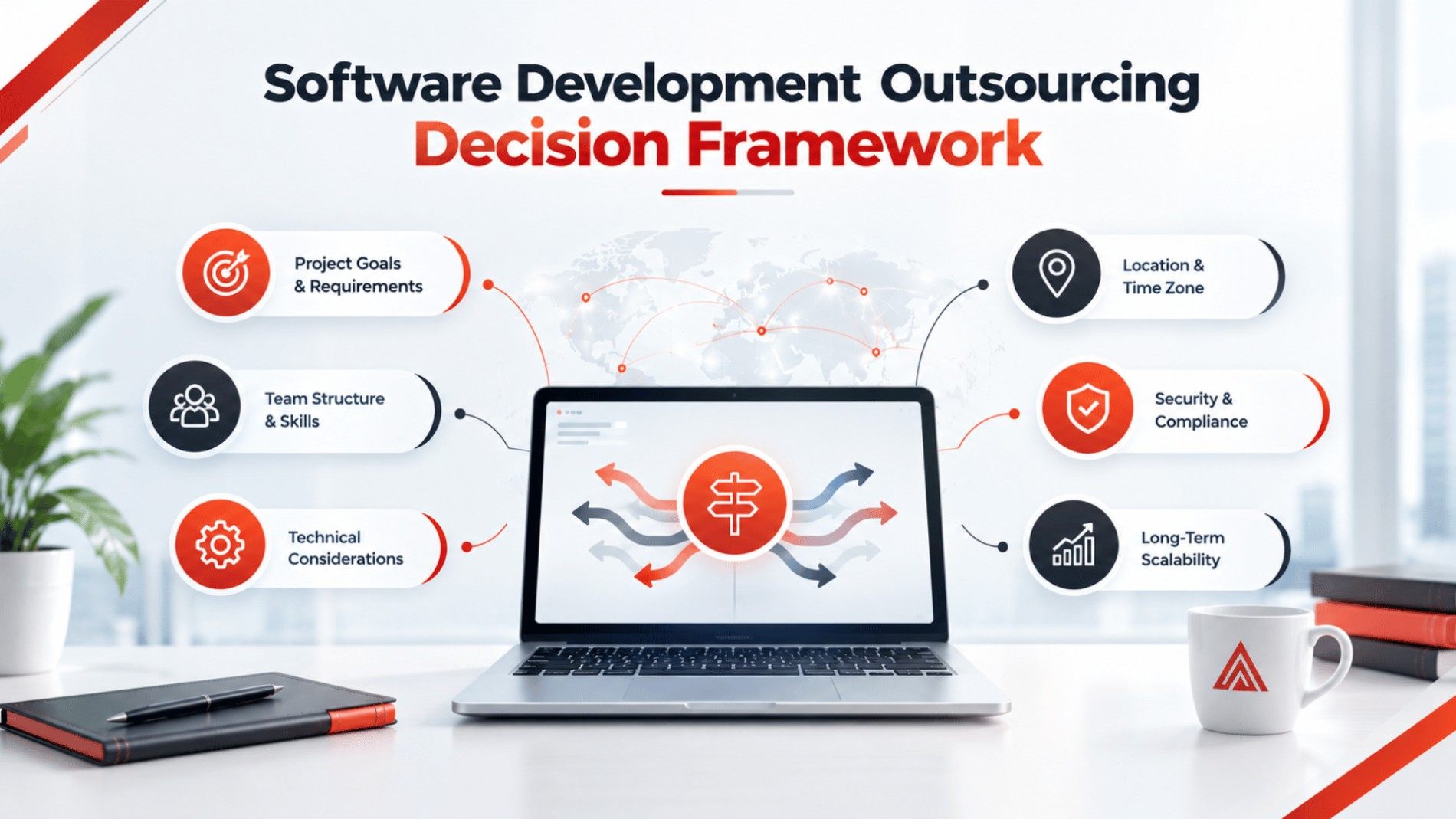
Work through these questions in order to find the model that fits your situation.
1 Question : Do you have your own development team?
- Yes: Think about staff augmentation or managed support.
- No: Well done.
2 Question : Is the project scope well defined?
- Yes: Project based contracting maybe.
- No: Think of a dedicated team of developers.
3 Question: Do you need long-term product development?
- Yes: Go with a dedicated development team.
4 Question : Do you only need a few specialists?
- Yes: Staff augmentation is likely your answer.
5 Question : Do you want the provider to take on more responsibility for delivery?
- Yes: Managed or project outsourcing may fit.
If your situation is…Consider Existing team, skill gap Staff augmentation Defined scope, no internal team Project-based outsourcing Evolving product, long-term roadmap Dedicated development team Ongoing operations and support Managed services
Treat this as a starting point. Real projects often blend models, and a conversation about your specifics will sharpen the choice.
Planning to outsource software development? Start by assessing your technical requirements, team structure, timeline, and long-term development goals. If you’re specifically considering an offshore model, see our Offshore Development Center guide.
Software Development Outsourcing Checklist
Before outsourcing
☑️ Define business objectives
☑️ Document requirements
☑️ Decide what should be outsourced
☑️ Select an outsourcing model
☑️ Set a budget
☑️ Define security requirements
During vendor selection
☑️ Check technical expertise
☑️ Review case studies
☑️ Interview proposed team members
☑️ Check the communication process
☑️ Review the contract
☑️ Clarify IP ownership
During development
☑️ Track milestones
☑️ Review quality
☑️ Maintain documentation
☑️ Monitor security
☑️ Keep communication regular
Before launch
☑️ Complete QA
☑️ Review security
☑️ Confirm source-code ownership
☑️ Prepare deployment
☑️ Set up the support process
Making Outsourcing Work as a Partnership
Outsourcing works best when you treat it as a partnership, not a purchase. Decide whether it fits your project, choose a model that matches your scope and timeline, judge providers on evidence, protect your data and IP, and watch quality as closely as speed.
Businesses that define outcomes first, document requirements, and set clear communication and ownership rules get far more lasting value from an outside development partner.
Need help choosing the right software development approach? Explore the software development services of AAA Techno Park or discover its offshore development center model to match your suitable engagement options.
FAQs
1. What is software development outsourcing?
It means hiring an external team to handle part or all of your software development.
2. How does software development outsourcing work?
Businesses select a provider, define requirements, agree responsibilities, then develop, test, and launch the software.
3. What are the main outsourcing models?
The most common models are project based outsourcing, dedicated teams, staff augmentation and managed services.
4. Is software development outsourcing safe?
Yes, when security, access control, confidentiality, IP ownership and compliance are properly managed.
5. How do I choose an outsourcing company?
Think: Capability (technical), team, security, communication, transparency, scalability, support.