
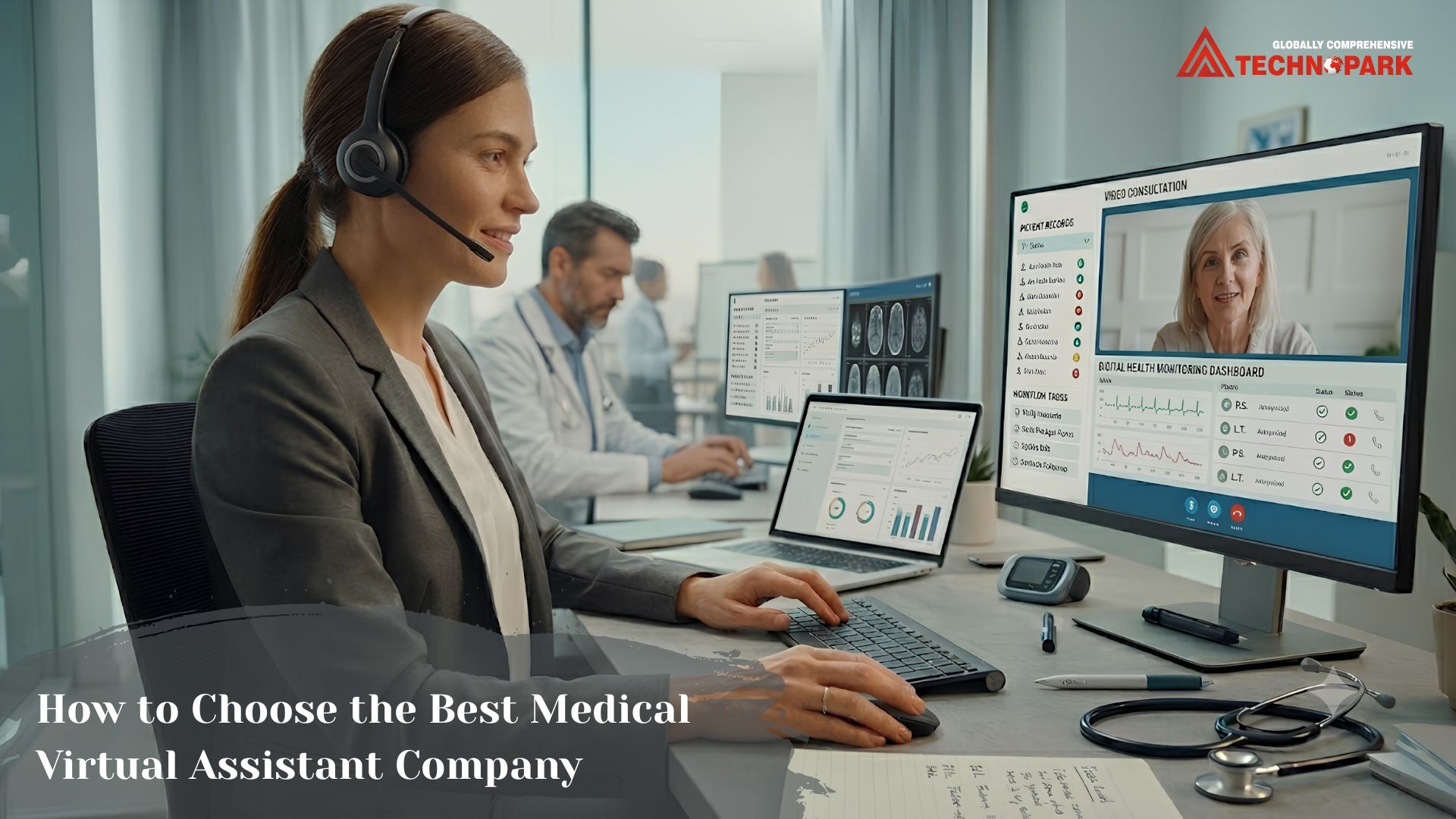
Running a healthcare practice has never been simple. Between seeing patients, managing staff, and keeping up with paperwork, the administrative side of medicine can quietly take over leaving less time for the work that actually matters. That is why so many clinics, private practices, and healthcare groups are turning to medical virtual assistants. The right remote support team can take the pressure off your front office, keep patients informed, and free your clinical staff to focus on care rather than calendars. But here is the thing: not every medical virtual assistant company is equipped to handle healthcare. And in a field where a single compliance misstep or communication failure can have real consequences, choosing the wrong provider is a risk no practice should take.
What Is a Medical Virtual Assistant?
Think of a medical virtual assistant as a skilled extension of your front-office team just working remotely. They handle the administrative and patient support tasks that keep your practice running, without needing a desk down the hall. What sets them apart from a general virtual assistant is their training. Medical virtual assistants understand healthcare workflows, know how to navigate EHR systems, and are familiar with the kind of careful, professional communication that patients expect. They are not learning on the job; they come prepared for the specific demands of a clinical environment.
Common Tasks Handled by Medical Virtual Assistants
The day-to-day responsibilities of a medical virtual assistant cover a lot of ground.
On any one day, they may be any of the following:
- Scheduling and confirming patient appointments
- Following up with patients after visits or missed calls
- Verifying insurance eligibility before appointments
- Updating patient records and managing data entry in your EHR
- Fielding patient inquiries and routing calls to the right person
These are the tasks that consume hours of your staff’s time every week. Handing them off to a trained remote professional creates real breathing room across your entire team.
Why Healthcare Practices Use Medical Virtual Assistants
Improving Patient Communication
Patients notice when they are kept waiting whether that is on hold, waiting for a call back, or never hearing back at all. A medical virtual assistant helps close those gaps. Calls get answered, follow-ups happen on time, and patients feel like they are being taken care of even between appointments. That consistency in communication quietly builds trust, and trust keeps patients coming back.
Reducing Administrative Workloads
There is a version of your practice where your front desk is not overwhelmed, where messages are returned same-day, and where your clinical team is not pulled into administrative tasks just to keep things moving. A medical virtual assistant makes that version more achievable. By handling the repetitive, time-consuming work remotely, they take real pressure off your staff without adding another body to your payroll.
Enhancing Practice Efficiency
Efficiency is not always about doing more. Sometimes it is about removing the small friction points that slow everything down. A virtual assistant who manages your scheduling, handles patient communication, and keeps your records updated gives your practice a steadier rhythm, fewer dropped balls, fewer bottlenecks, smoother days.
Key Factors of the Best Medical Virtual Assistant Company
Healthcare Industry Experience
This is the first thing to evaluate, and it matters more than any sales pitch. Healthcare is not like other industries. The terminology is specific, the workflows are complex, and the stakes of getting it wrong are higher. A company that really knows about healthcare will have helpers who already know how practices work, what patients need, and how to be professionally sensitive in sensitive situations.
HIPAA Compliance and Data Security
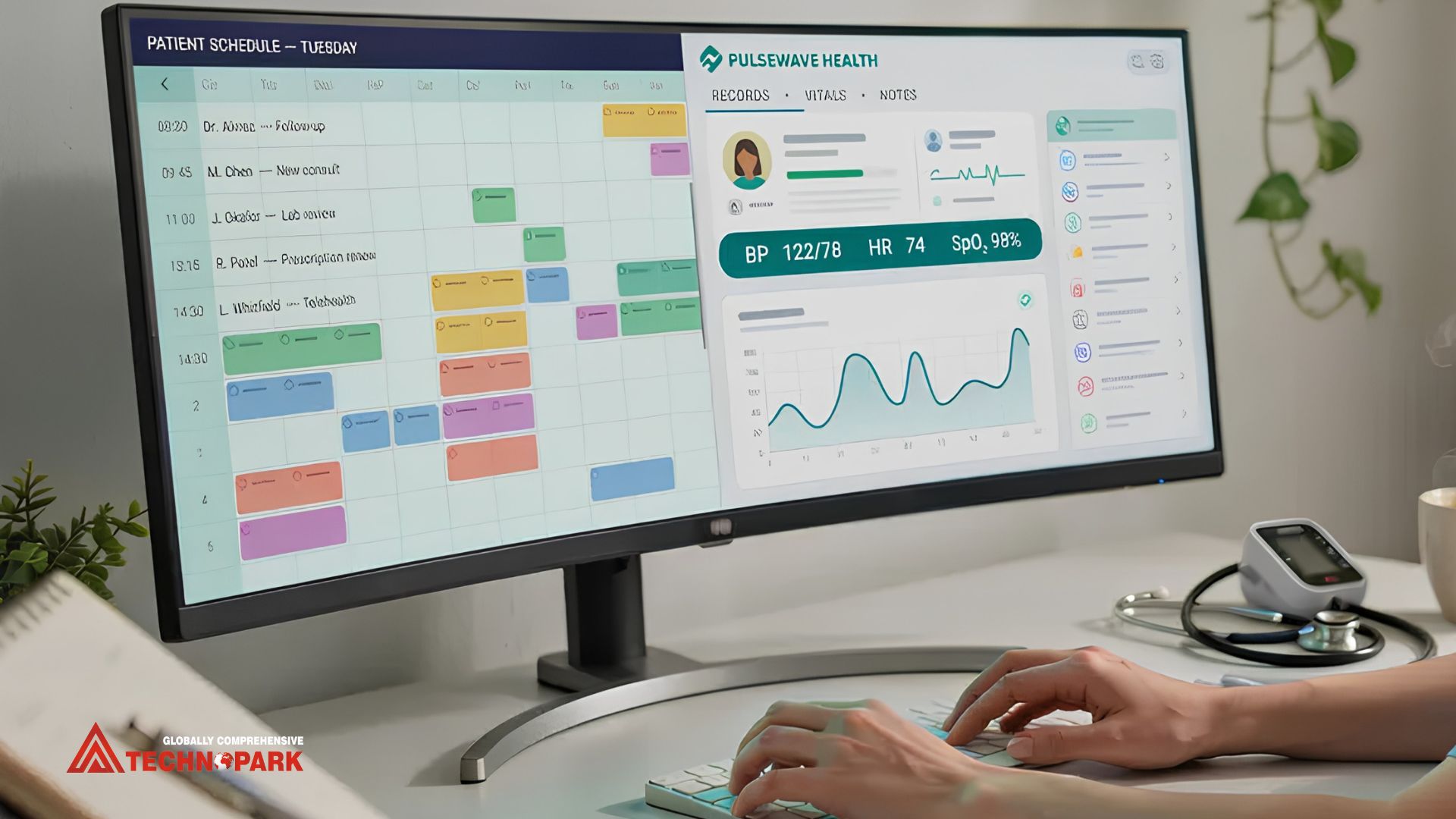
Every practice that brings on a virtual assistant is entrusting them with patient information. That responsibility comes with legal requirements and any company you work with needs to take that seriously. Look for documented HIPAA compliance policies, a willingness to sign a Business Associate Agreement (BAA), and specific answers about how patient data is handled, stored, and protected. If a company gets vague when you ask these questions, that is your answer.
Range of Services Offered
Your needs today might not be your needs in 6 months. A provider that offers a broad range of services scheduling, reception, insurance verification, patient follow-up gives you flexibility as your practice evolves. It is also far simpler to expand with one trusted partner than to bring in a new vendor every time your needs shift.
Staffing and Training Standards
Ask about how assistants are hired and how they are trained not just at the start, but on an ongoing basis. The best companies invest in continuous development, quality monitoring, and performance feedback. That investment shows up in the quality and consistency of the support your practice receives.
Communication and Availability
A remote team only works if they are actually available when your practice needs them. Check whether the company can staff hours that match yours, how they handle gaps in coverage, and what your go-to contact looks like when something needs to be resolved quickly. Availability and responsiveness are non-negotiables.
Questions to Ask Before Hiring
What Healthcare Services Do They Support?
Do not settle for “yes, we work in healthcare.” Push for specifics. Have they supported your specialty? Do they understand the particular challenges of your patient population? Specialty experience is not a nice-to-have. It is often the difference between an assistant who hits the ground running and one who needs months of hand-holding.
How Do They Handle Patient Data?
Ask for details, not reassurances. How is data stored? Who has access? But what if there is a breach? A company that handles patient data responsibly will have clear, documented answers and they will not hesitate to share them.
What Technology and Software Do They Use?
Your virtual assistant needs to work within your systems, not around them. Find out which EHR platforms they are trained on, how they handle onboarding if your software is different, and how quickly they can adapt. A company that only works with one or two platforms is a red flag if yours is not on the list.
Can They Scale With Practice Growth?
Your practice is not static. Ask how quickly the company can bring on additional support if your volume grows, whether they offer flexible arrangements, and what scaling actually looks like in practice, not just in theory.
Warning Signs to Watch For
Limited Healthcare Experience
A company that serves everyone serves no one particularly well. Generic virtual assistant providers may be capable in other industries, but healthcare has requirements that simply cannot be picked up without specific training. The risks of working with an under-prepared provider, compliance gaps, communication errors, and frustrated patients are not worth the cost savings.
Lack of Security Protocols
If a company cannot hand you a clear, documented answer about their HIPAA compliance and data security practices, walk away. This is not an area where “we take it seriously” is a sufficient response. In healthcare, vague promises about security are not promises at all.
Systematic Failures in Communication
Notice how a company communicates with you during the evaluation process. Are they responsive? Clear? Do they follow through? If they cannot manage professional communication when they are trying to win your business, it is unlikely to improve once you are already a client.
Benefits of Partnering With the Right Medical VA Company
Better Patient Experience
When patients can reach your practice easily, receive timely follow-ups, and have their questions handled with care, they feel valued. That feeling is what turns one-time patients into long-term ones and the right virtual assistant team plays a direct role in creating it.
Increased Operational Efficiency
Less administrative clutter means more time for actual patient care. When your front office is supported by a capable remote team, the whole practice runs more smoothly and your clinical staff can show up to each appointment without the weight of a full inbox on their minds.
Scalable Healthcare Support
Growth is good, but it can create chaos if your support structure cannot keep pace. A strong medical virtual assistant company grows with you adding capacity when you need it without disrupting the operations you have worked hard to build.
Future of Medical Virtual Assistant Services
AI-Assisted Healthcare Support
Automation is already changing how administrative work gets done in healthcare. Smart scheduling tools, automated reminders, and AI-assisted data entry are becoming standard features in the better virtual assistant platforms. The best companies are using these tools to enhance not replace the human touch that patient care still requires.
Remote Patient Engagement Solutions

As telehealth expands and patient expectations around digital communication continue to rise, the role of remote support teams will only grow. Medical virtual assistants are increasingly involved in proactive patient engagement not just answering calls, but helping practices build stronger relationships with their patients between visits.
Choosing the Right Medical VA Partner
There is no shortage of virtual assistant companies out there. But healthcare is a different kind of environment, one where the stakes are higher, the requirements are stricter, and the people on the other end of every interaction are patients, not customers. The right medical virtual assistant company will understand that difference without being told. They will come with the training, the compliance standards, and the genuine healthcare experience to support your practice in a way that actually sticks.
If your practice is ready to reduce administrative strain, improve patient communication, and build a more efficient operation, the next step is finding a virtual assistant partner who is ready to grow alongside you. Start with the questions in this guide, take your time with the evaluation, and do not settle for a provider who cannot meet the bar that healthcare demands.
Frequently Asked Questions
1. What does a medical virtual assistant do?
A medical virtual assistant manages scheduling, patient communication, insurance verification, data input and administrative support remotely.
2. Are medical virtual assistants HIPAA compliant?
HIPAA compliant companies have safety procedures in place to protect private patient data.
3. How can a medical virtual assistant help improve communication between patients?
They answer questions, make appointments, follow up and help patients so that contact happens on time.
4. What kinds of healthcare chores can a virtual assistant do?
Outsourcing lets you get help with things like setting up meetings, making sure patients’ insurance is up to date, following up with patients, medical reception, and office support.
5. How to choose the best medical virtual assistant company?
Think about their healthcare experience, compliance needs, what they provide, how they communicate and if they can scale with you.